Logan Sullivan — Junk Punks
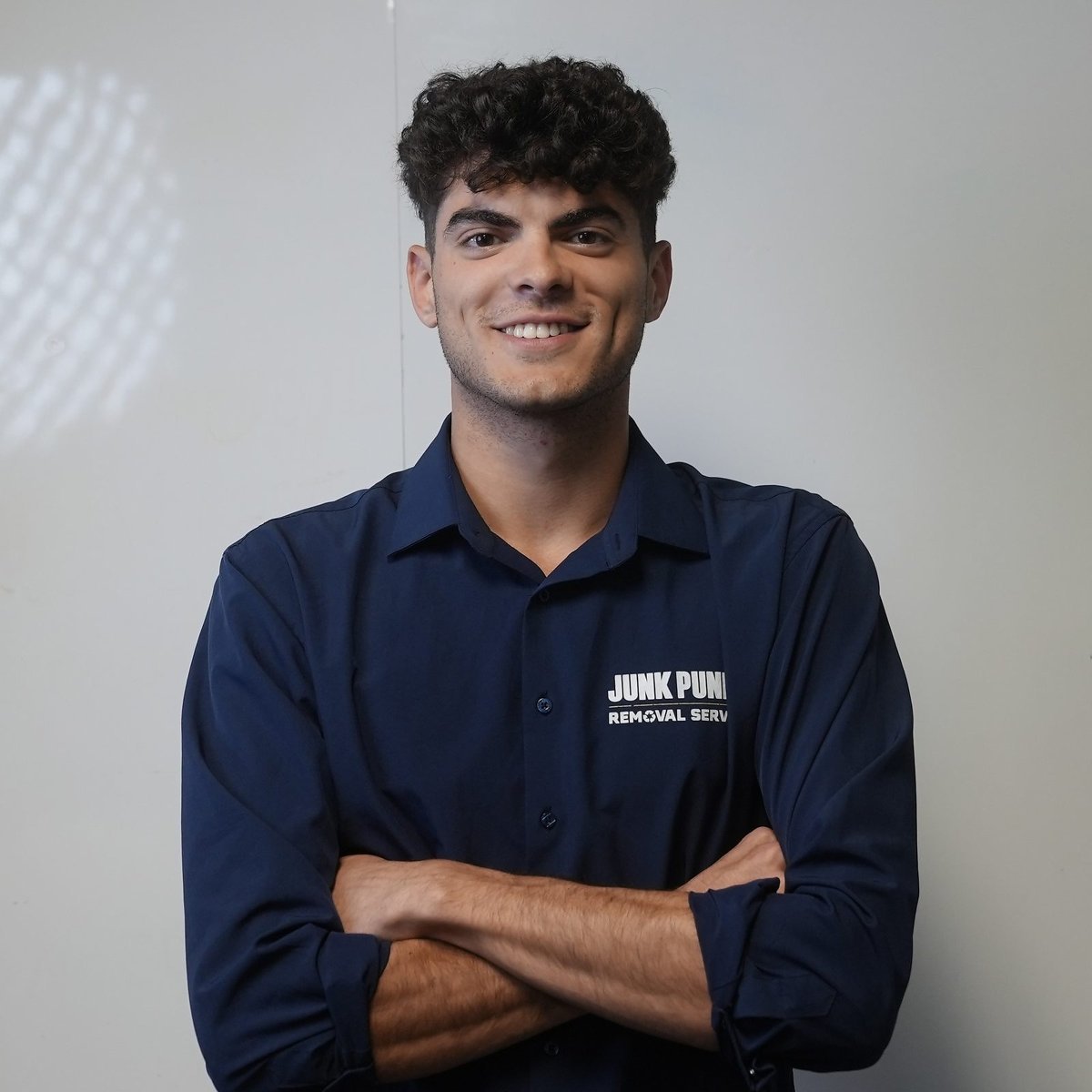
What were you doing before starting Junk Punks, and what led you to see junk removal as a business opportunity?
Before Junk Punks, I worked in property management and also had experience in hands-on service work. Property management gave me a front-row seat to a problem that looked small until I saw how often it happened: vendors would miss calls, arrive without clear expectations, send confusing invoices, or leave a manager chasing updates. The physical work was rarely the only problem. The bigger problem was the uncertainty around it.
I had first used the Junk Punks name for a scrappy summer side hustle in Wisconsin. When Ryder and I moved to Florida in September 2022, the service gap became impossible to ignore. Junk removal was a large, necessary category, but the customer experience in many markets still felt fragmented. We saw an opportunity to build a company where communication, clean crews, documented pricing, and reliable follow-through mattered as much as lifting the items. We launched the Tampa Bay operation within a month.
How did you and Ryder Radke become business partners, and how have your responsibilities evolved as the company has grown?
Ryder and I already knew how each other worked. We both came from environments where effort was visible and accountability mattered, and we were comfortable being direct with each other. In the beginning, there was almost no separation of duties: we answered phones, quoted jobs, loaded the trailer, handled disposal, asked for reviews, and fixed whatever broke. That was useful because neither of us could hide behind a title. We learned the entire customer journey together.
As the company grew, our jobs shifted from doing every task to creating clarity for the people doing those tasks. The partnership became less about splitting a daily to-do list and more about owning outcomes, building leaders, and challenging each other's blind spots. The most important evolution was learning that a founder's value is not measured by how many decisions he personally makes. It is measured by how many good decisions the organization can make without waiting for him.
Take us back to your early days working with a low-cost trailer. What was the hardest part of securing your first customers and earning their trust?
Our early setup was a Chevy Tahoe with more than 200,000 miles and a roughly $2,500 trailer. The equipment did the job, but it did not automatically create credibility. Early customers were trusting two young founders with access to their homes, properties, and sometimes very personal situations. A cleanout can happen during a move, an estate transition, a renovation, or a stressful family moment. You are not simply hauling objects; you are entering a moment the customer may already be dreading.
We earned trust through small, repeatable behaviors: answer quickly, confirm the arrival window, explain the estimate before touching anything, protect the property, communicate if the scope changes, sweep up, and follow through after the job. Those details were our brand before we had much of a brand. Reviews then became evidence that the experience was consistent, not just something we claimed.
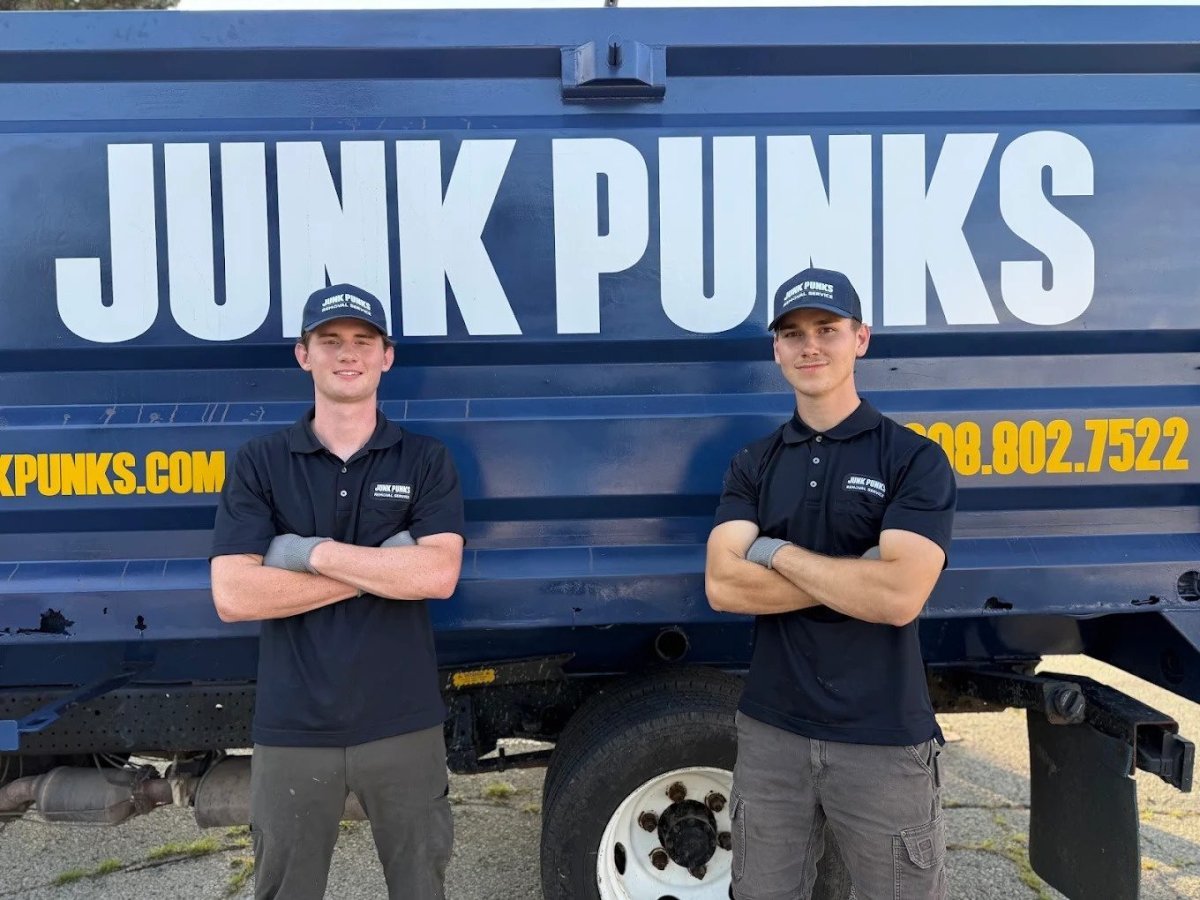
Which decision or turning point had the greatest impact on the transition from a small local operation to a multi-million-dollar business?
The biggest turning point was deciding to treat communication and operating discipline as infrastructure, not as the founders' personalities. At first, good service lived in our heads: how to price a difficult load, what to say when an arrival window changed, when to ask a second question on a lead, and what a finished job should look like. That works when the founders are on every truck. It breaks as soon as multiple crews and markets are moving at once.
We began documenting playbooks, building scorecards, and using a shared operating system for leads, scheduling, job notes, and follow-up. Our mornings became driven by a focused set of numbers—lead volume, booked jobs, close rate, average ticket, labor, and customer feedback—followed by attention to the highest-impact constraint. That shift from heroic effort to visible systems made expansion possible. It also made problems easier to diagnose because the company no longer depended on memory and guesswork.
What was one costly mistake you made while growing Junk Punks, and how did it change the way you run the company?
A costly mistake was allowing too much of the business to remain tribal knowledge. We assumed that because Ryder and I understood our pricing logic and service standards, other people would absorb them by working beside us. They absorbed pieces, but not always the reasoning. The result was inconsistency: estimates could vary, customer conversations depended too much on who answered, and the founders became the escalation point for decisions that should have been routine. The direct cost appeared in rework and missed opportunities; the larger cost was slower leadership development.
We corrected it by turning recurring decisions into teachable tools: job-type playbooks, call frameworks, training checkpoints, scorecards, and clear ownership. We also learned to test a change in one truck or one market before rolling it out. A process is not finished because it is written down. It is finished when someone else can use it, measure it, and improve it.
Junk removal can look like a straightforward business from the outside. What do people most often underestimate about making it consistently profitable?
People often see the truck and the labor and assume the business is simple. The physical service is straightforward; consistent economics are not. Every day involves variable load composition, disposal costs, drive time, labor utilization, routing, quoting judgment, lead-response speed, and the risk of empty space on the schedule. A full-looking calendar can still hide weak routing, poor pricing, or too much unproductive windshield time.
The discipline is in connecting field behavior to numbers without turning the customer into a spreadsheet. Teams need clear pricing guardrails, strong job notes, route awareness, labor targets, and a shared definition of what "done right" means. Leaders need to know not just what changed in the report, but why. That is why we pair dashboards with regular conversations with crews and customers. The numbers show the symptom; frontline conversations usually reveal the cause.
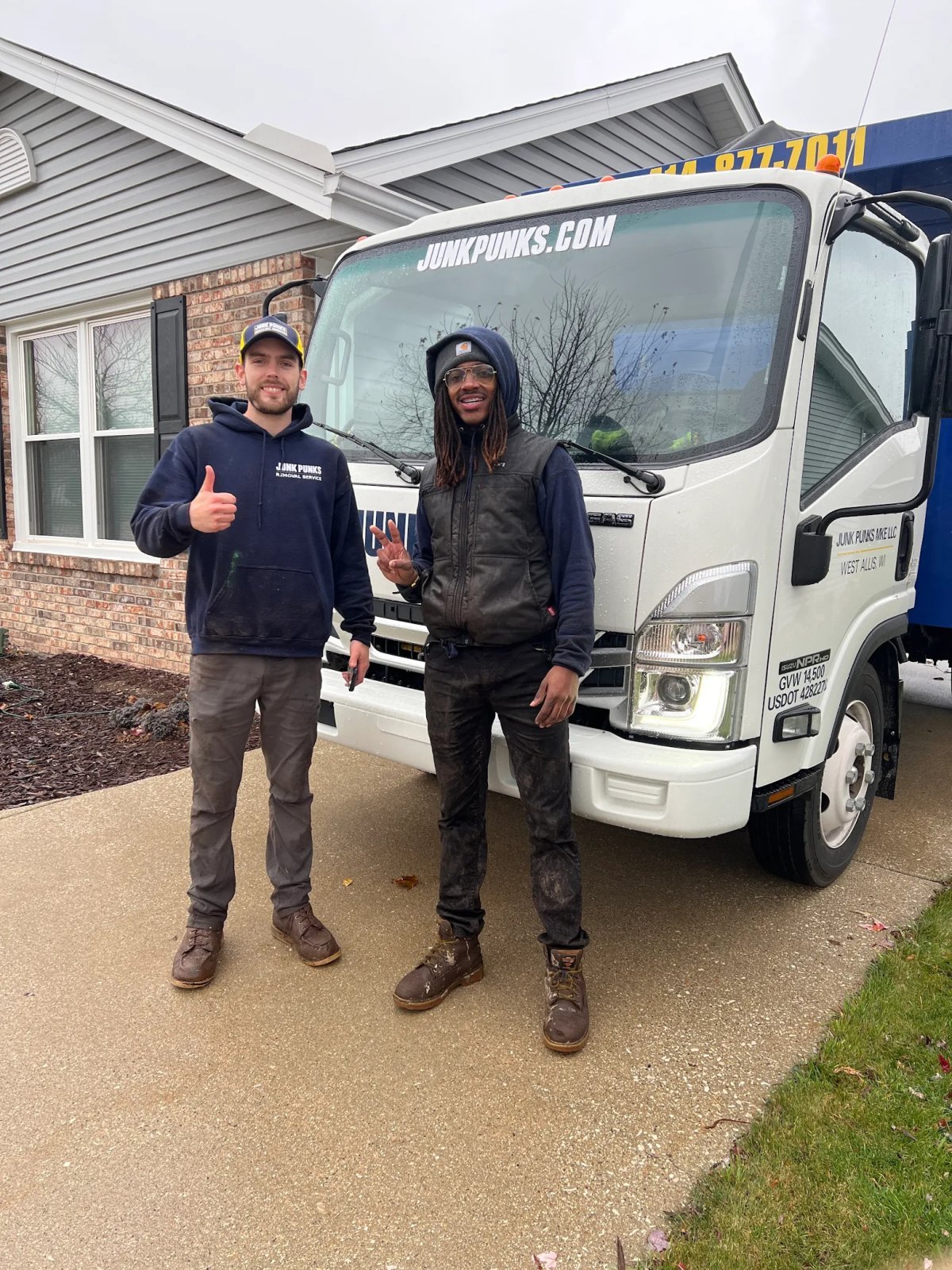
What convinced you that Junk Punks was ready to become a franchise, and what proved hardest to turn into a process another owner could follow?
We did not view franchising as a shortcut to growth. Franchising magnifies whatever is already present, including weak systems. We became more confident when the model had operated across multiple company-owned territories, when key performance information was visible, and when training and support could be delivered through a repeatable rhythm instead of founder improvisation.
The hardest part to document was judgment. A checklist can explain how to open a job, but it takes more work to teach someone how to evaluate an unusual load, protect trust when the scope changes, or coach a team after a miss. We had to break those moments into observable decisions, examples, and escalation rules. The resulting model is built around centralized call handling, lead and marketing support, shared technology, structured training, and field coaching. The goal is not to remove local ownership. It is to give a local owner a clearer operating system and a faster feedback loop.
As of October 2026, Junk Punks has sold four franchise territories, with two franchise locations currently operating. We distinguish between territories sold and locations open because they represent different stages of growth.
Logan Sullivan is the founder of Junk Punks, a modern junk-removal company built around professional communication, measurable operations, and a customer-first field experience. After seeing recurring vendor-service failures while working in property management, Sullivan and co-founder Ryder Radke launched the Tampa Bay operation in October 2022 using a high-mileage Chevy Tahoe and a roughly $2,500 trailer. Sullivan now focuses on systems, leadership, and franchise growth, translating frontline lessons into training, technology, and operating standards that can work across markets.